
Blog
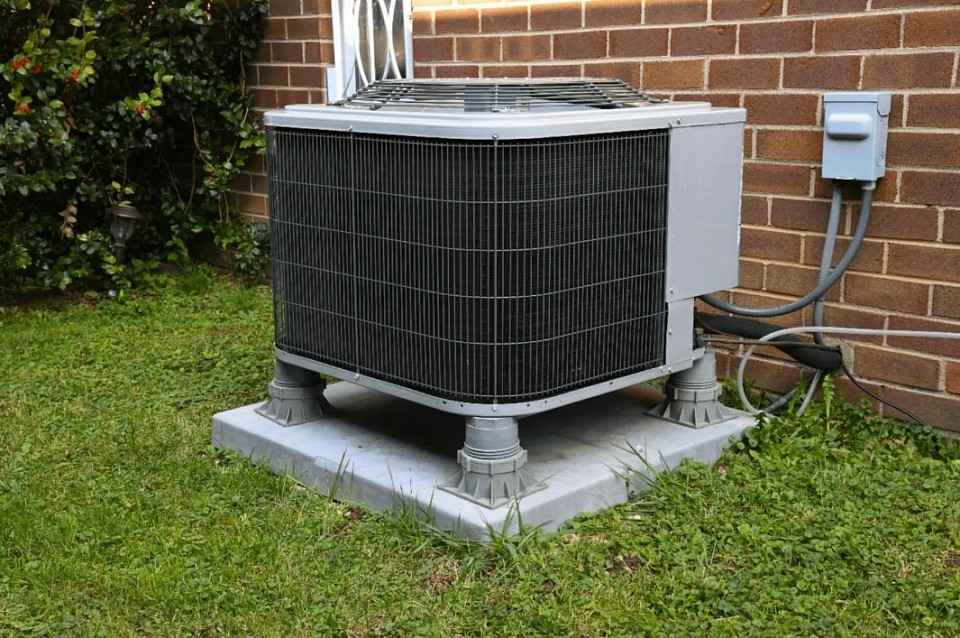
Five Essentials Shaping Reliable, Efficient Cooling in Today’s HVAC Industry
Modern HVAC work revolves around delivering quiet, efficient comfort while adapting to evolving equipment, refrigerants, controls, and customer expectations.
Prioritizing Preventive Maintenance Over Reactive Fixes
Preventive maintenance keeps cooling systems steady through the hottest weeks, protecting compressors, motors, and controls from premature wear. By cleaning coils, clearing condensate lines, tightening electrical connections, and verifying airflow, technicians reduce strain and help equipment operate as designed. For example, a rooftop unit with a mildly fouled condenser coil may still cool, but it will run longer, draw more power, and age faster. Seasonal maintenance catches these issues before they snowball into breakdowns that disrupt a household or halt a small business’s operations. Even simple tasks—replacing a clogged filter or calibrating a thermostat—can restore proper airflow and ensure the unit cycles on and off at the right setpoints. When something does go wrong, ac repair becomes faster and more targeted because baseline readings and service histories are already on file. The result is fewer surprises, more predictable comfort, and equipment that delivers closer to its rated performance across the cooling season.
Matching System Capacity to the Building’s Real Needs
Right-sizing remains a core discipline in the industry. Oversized equipment short-cycles, creating temperature swings and poor humidity control; undersized equipment struggles, running constantly without ever quite catching up. A thoughtful load assessment considers insulation levels, window orientation, infiltration, occupant patterns, and internal heat gains from lighting and electronics. In practice, a craftsman evaluating a sunlit home office may recommend added return air or a separate ductless zone instead of simply upsizing the main system. Likewise, a café with frequent door openings might benefit from an air curtain paired with proper economizer settings, not just more tonnage. Precision matters because comfort is not only about temperature—it’s about quiet operation, even airflow, and steady humidity. When a system is matched to the building envelope and usage, it dehumidifies more effectively, protects finishes, and reduces the need for emergency calls. This careful approach saves energy and extends equipment life by keeping components within their intended operating range.
Ventilation, Filtration, and Humidity Control as Equal Partners
Cooling alone cannot solve indoor air quality challenges. Balanced ventilation introduces fresh air while managing moisture; filtration captures particulates; and humidity control protects furnishings and respiratory comfort. Consider a crafts studio with fine dust that clogs filters quickly: a higher-efficiency filter combined with a well-sealed return and scheduled filter checks prevents pressure drops that starve the system of airflow. In a lakeside home, a dedicated dehumidification strategy can prevent musty odors and help the AC maintain setpoint without overcooling. Smart thermostats with humidity readouts make it easier to monitor conditions and adjust fan settings. Technicians often evaluate duct leakage as part of this equation, sealing joints and verifying static pressure to ensure each room receives the right supply and return balance. Tightly integrated IAQ solutions mean fewer callbacks, quieter operation, and more consistent comfort. Occupants notice the result through clearer air, fewer hot-and-cold spots, and surfaces that feel dry rather than clammy.
Embracing Smart Controls and Thoughtful Commissioning
Modern controls add value only when installed and commissioned with care. A smart thermostat can learn schedules, optimize setpoints, and provide alerts, but it needs accurate sensor placement and proper wiring. Outdoor units benefit from correctly set fan speeds and charge verification, while indoor units require appropriate blower settings to maintain target static pressure. Commissioning steps—measuring temperature split, checking charge, verifying airflow, and confirming safety controls—turn a good installation into a great one. For example, a ducted heat pump serving a multi-room home might underperform until the installer trims excess duct runs and balances registers, allowing the control logic to work as intended. Data from connected devices gives technicians insights into runtime patterns, making preventive visits more effective. These small details pay big dividends: steadier comfort, fewer nuisance trips, and a system that responds smoothly to real-life usage rather than theoretical conditions.
Refrigerant Transitions and a Skilled, Safety-First Workforce
The industry continues to evolve as new refrigerants and efficiency standards roll out. Proper handling, leak detection, and recovery protect both the environment and equipment. Training on new refrigerant characteristics, compatible oils, and charging procedures helps technicians avoid cross-contamination and performance issues. In the field, a tech might encounter a legacy split system alongside a newer variable-speed unit; each demands different diagnostic steps and tools. Safety remains central—observing lockout procedures, using appropriate gauges, and ensuring adequate ventilation when brazing or testing. Clear communication with property owners about maintenance intervals, filter choices, and airflow best practices fosters informed decision-making. When systems are serviced by pros who follow manufacturer guidance and local codes, performance stays consistent, energy use stabilizes, and emergency calls become less frequent. In the event that cooling falters, timely diagnostics and ac repair restore comfort quickly, backed by sound workmanship and careful documentation that guide future service.
Smart Strategies Reshaping Residential HVAC: From Preventive Care to Eco-Friendly Upgrades
Home comfort is evolving as residential HVAC blends smarter controls, greener technologies, and dependable service practices that keep systems running safely and efficiently year-round.
Preventive maintenance as the foundation of reliability
Reliable heating and cooling begins with routine preventive maintenance, a disciplined approach that reduces surprise breakdowns and extends equipment life. Seasonal tune-ups address airflow, lubricate moving parts, verify refrigerant charge, and confirm electrical integrity. Cleaning coils prevents heat transfer losses that force systems to work harder than necessary, while checking blower assemblies and belts preserves balanced airflow to every room. Homeowners also benefit from timely filter changes; a clean filter lowers system strain and keeps indoor air fresher. Regular inspections catch small concerns—like a weak capacitor or a worn contactor—before they lead to inconvenient downtime. When maintenance becomes a calendar habit, comfort stays steady and energy use drops naturally without sacrificing performance.
Indoor air quality now rivals temperature control in importance
Comfort is more than the thermostat setting; it includes air that is clean, properly humidified, and well-circulated. Modern HVAC strategies integrate filtration and ventilation solutions that capture common particulates and dilute stale indoor air. Upgraded filters paired with correctly sized blowers help trap pollen and household dust, while whole-home ventilation introduces measured fresh air without losing excessive heating or cooling power. In climates with fluctuating humidity, adding dehumidification or humidification to the system helps protect wood furnishings, supports respiratory comfort, and reduces the chance of microbial growth. When these elements work together—filtration, ventilation, and humidity control—occupants notice fewer odors, more consistent comfort, and a healthier living space overall.
Timely ac repair keeps efficiency and comfort on track
Swift, professional ac repair prevents minor faults from escalating into costly failures. Symptoms like short cycling, warm supply air, unusual noises, or a frozen evaporator coil signal the need for expert evaluation. Technicians trace the root cause by checking refrigerant superheat and subcooling, examining electrical components, and assessing airflow restrictions. Correcting a refrigerant imbalance, replacing a failing fan motor, or sealing compromised ductwork restores performance and safeguards the compressor from excessive wear. Responsive service also protects indoor comfort during heat waves, when systems are under the greatest stress. To minimize future interruptions, homeowners can pair corrective repairs with a post-visit performance check and a written plan for any recommended upgrades that improve reliability and energy use.
Smart controls and zoning drive comfort with precision
Intelligent thermostats and zoning dampers are changing the way households manage comfort. Learning thermostats adapt to occupancy patterns, reducing run time when a home is empty and pre-conditioning spaces before occupants return. Remote monitoring allows quick adjustments during travel or schedule changes, helping to avoid wasted energy. Zoning, meanwhile, uses dedicated dampers and controls to direct conditioned air only to the rooms that need it. This approach mitigates hot and cold spots, accommodates multi-story temperature differences, and gives families personalized comfort without overworking the equipment. When installed and balanced properly, smart controls and zoning complement one another: the thermostat optimizes run times while zones tailor delivery, creating a smoother, quieter system that sips energy rather than guzzling it.
Eco-friendly upgrades reduce load and enhance long-term value
Greener choices are increasingly practical for residential HVAC. High-efficiency systems with advanced compressor technology operate at variable speeds, matching output to demand for quieter operation and steady temperatures. Properly sealed and insulated ductwork preserves this efficiency by preventing leakage into attics or crawl spaces. Heat pump technology, in particular, has become a versatile option for both heating and cooling in many regions, offering dependable performance with fewer emissions when paired with a well-insulated home. Even smaller upgrades—such as electronically commutated motors, improved condensate management, and right-sized equipment—deliver outsized benefits over time. When combined with regular maintenance and prompt repairs, these improvements create a resilient comfort strategy that saves energy, protects equipment, and elevates everyday living.
